How AI Photo Filters Went from Novelty to Mainstream
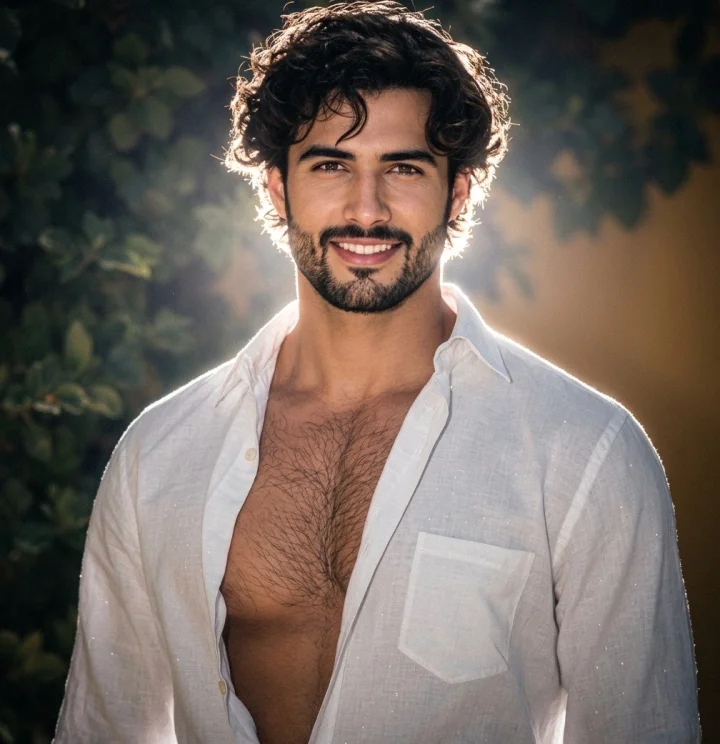
Photo filters started as simple color and contrast adjustments — a warmer tone here, added grain there — and have since evolved into full AI-powered relighting that can rebuild an entire scene's lighting from scratch.
From color overlays to real relighting
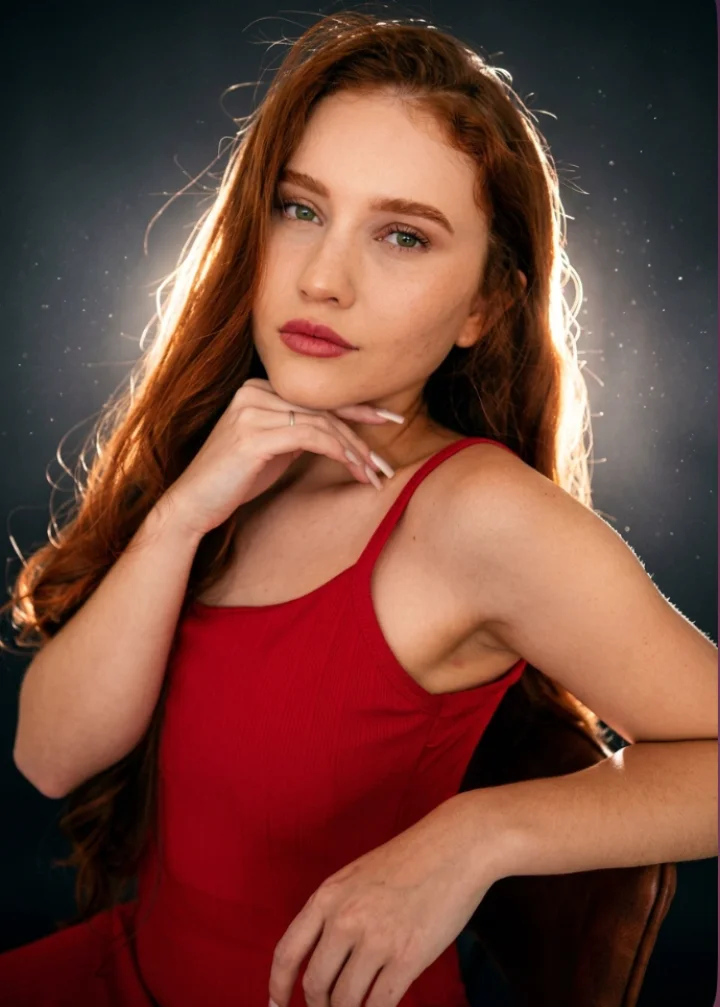
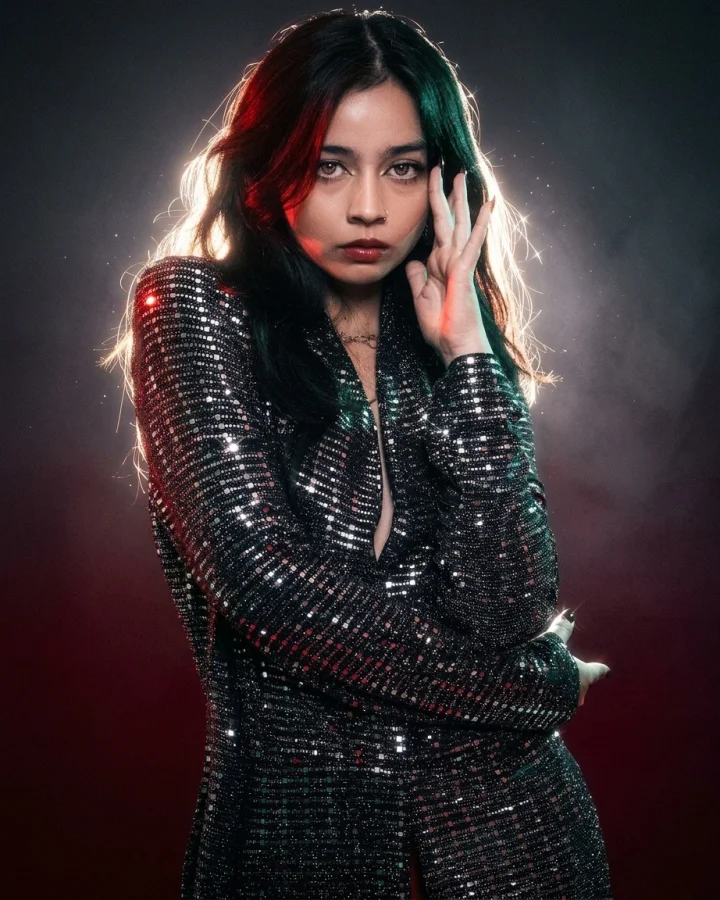
Early filters could only shift existing colors and add overlays; they couldn't add light that wasn't there. AI relighting models can now generate genuinely new lighting — shadows, highlights, rim light — based on the photo's actual 3D structure.
Why that distinction matters
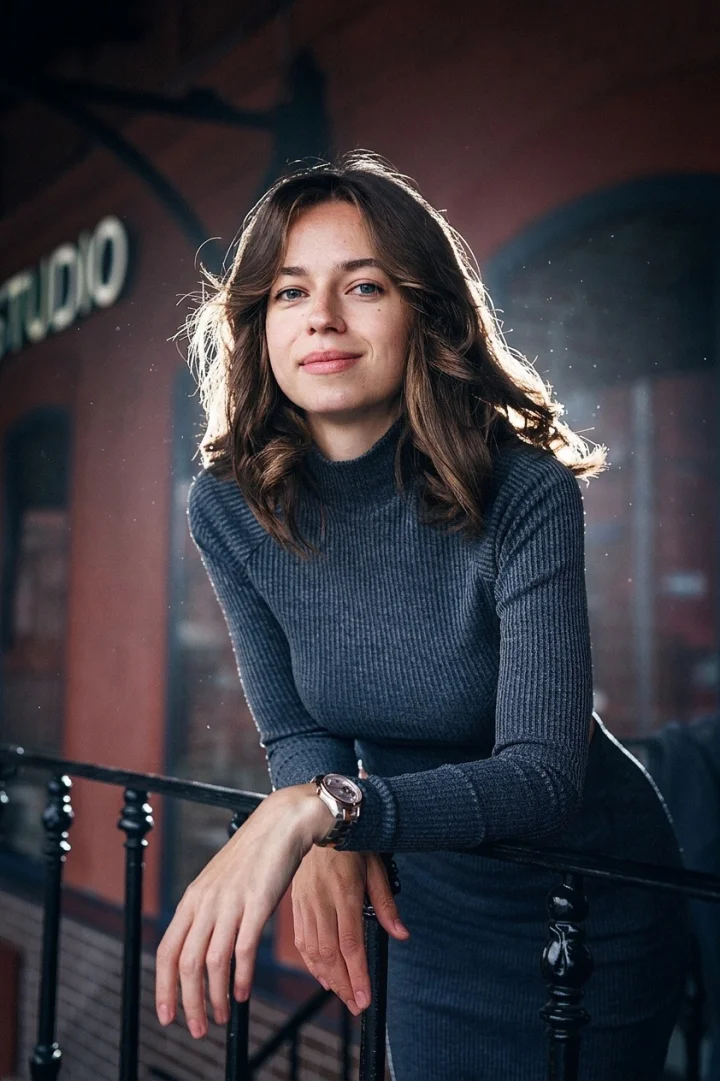
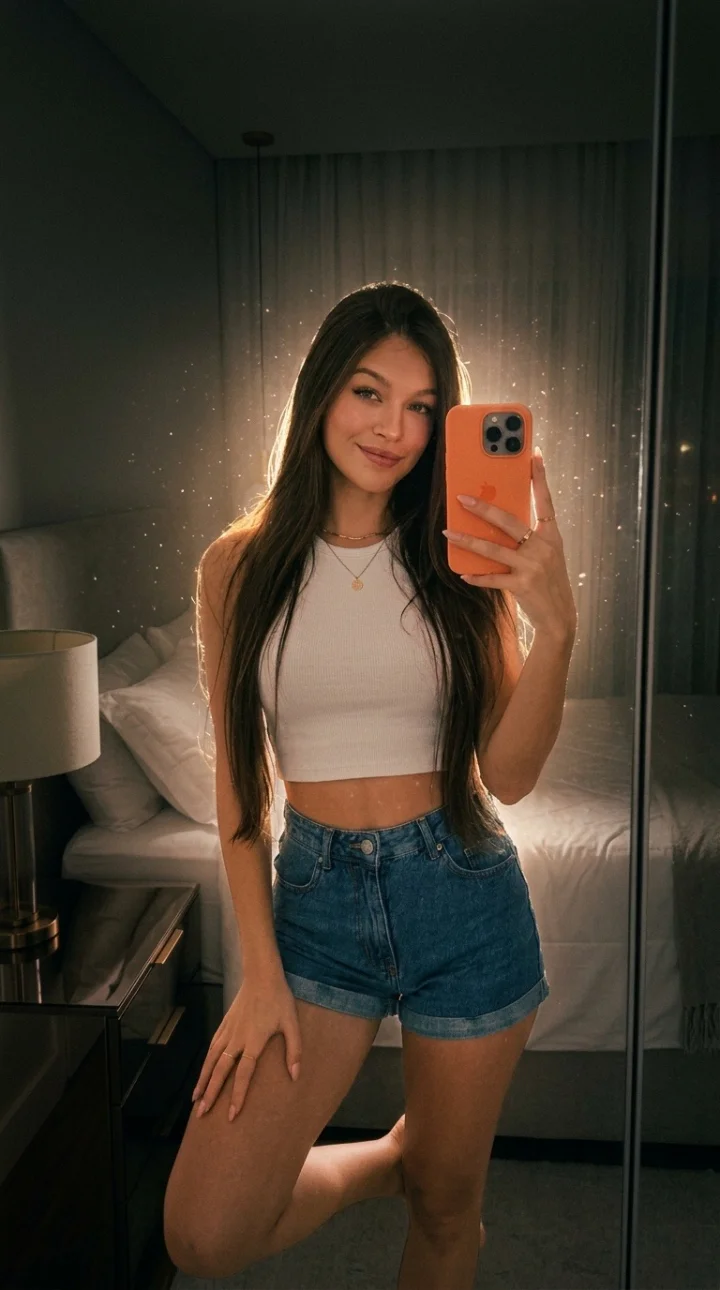
A color filter on a flatly-lit photo still looks flatly lit, just tinted differently. AI relighting can add real-feeling dimensional light — like a convincing dusk backlight — to a photo that was never shot that way.
Why adoption grew so fast
Once relighting tools became simple one-tap apps instead of requiring technical editing skill, the appeal — professional-looking lighting without a studio — reached a much broader audience quickly.
Do AI relighting apps work on any photo?
Most work best on clear, well-lit photos with a visible subject — very dark, blurry, or heavily obscured source photos give the AI less accurate information to build convincing new lighting from.